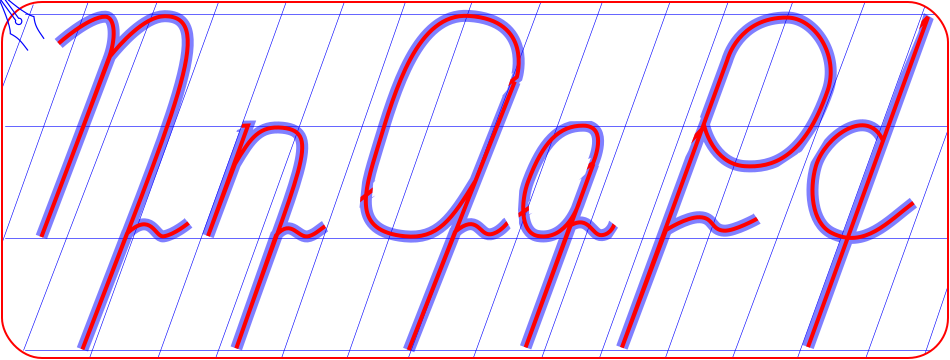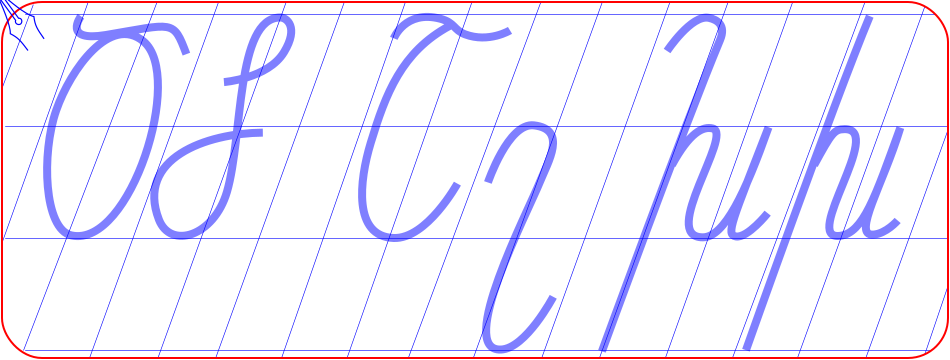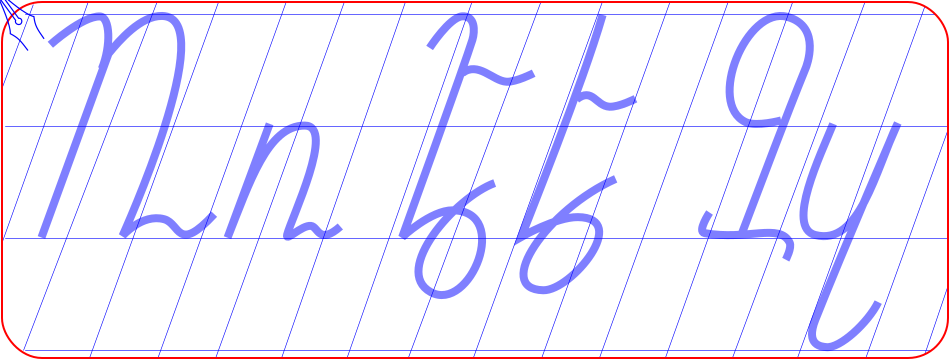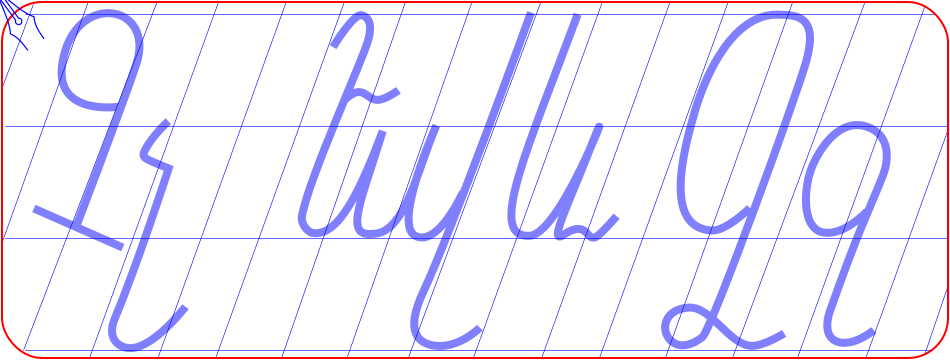
Let's learn to write in ARMENIAN
I originally made this site for my grandchildren: they are not in Armenia and cannot read and write in Armenian. Once the youngest (he was 6) complained that he was bored playing shooters. I offered him the idea: "And let me teach you to write the name of dad in Armenian. Then you write it beautifully to felt-tip pens and give it to him. It will be great!!!"
He liked the idea. I prepared PDF-registers and animations, asked my daughter-in-law to print and we started working. How to write letters he looked at the animation shown here.

First the letter A - the pen shows how to trace this letter in the copybook. Then Ar - the grandson spent another 3 lines of copybooks on them. Now there are 3 letters Are - we learned this in 2 lines of training. And finally, the whole name: Areg (that's dad's name). We spent 3 pages of A4 and 4 days on all this. And this is remotely, with a baby who did not know how to write at all.
The idea worked and I prepared materials for the entire alphabet. If you want to try let's start
The most common question is - why is it necessary? Isn't it better for the future to teach the child to type quickly on the keyboard.
Maybe it is better for the future, BUT:
- Children learn not only neat and beautiful handwriting, but also perseverance and patience.
- While writing, the child learns to evaluate the overall width of the word, the distance between them. He learns to understand what letter and line spacing are, recognizes the structure of letters.
- Repeating letters multiple times in copybooks is a strong memorization and much faster learning to read.
- Handwriting helps develop speech. When a person writes a text, he pronounces the words to himself and memorizes speech patterns. This affects both vocabulary and getting rid of filler words (damn, like, well).
- Handwriting develops fine motor skills. While writing letters, coordination develops, the good eye improves, the muscles of the fingers, hand, shoulder and forearm are formed, breathing evens out, the nervous system calms down, even the heart begins to beat more evenly. In those areas of the brain that are not particularly affected in ordinary life, new neural links begin to form.
I hope the arguments are convincing, but the most important thing is - it's beautiful. And if you can get your child interested in manuscripts, at least 2-3 times a week for 20 minutes, you will see how this will have a beneficial effect on even the most restless child!
But let's get back to Armenian. The Armenian alphabet contains many letters. Not as many as hieroglyphs, but still 39.
There are many sites on the Internet with an analysis of the frequency of letters in Armenian texts (try googling "Armenian letter frequency"). We will study the alphabet in the same sequence, starting with the most frequently used letters.
All letters are divided into 4 blocks:
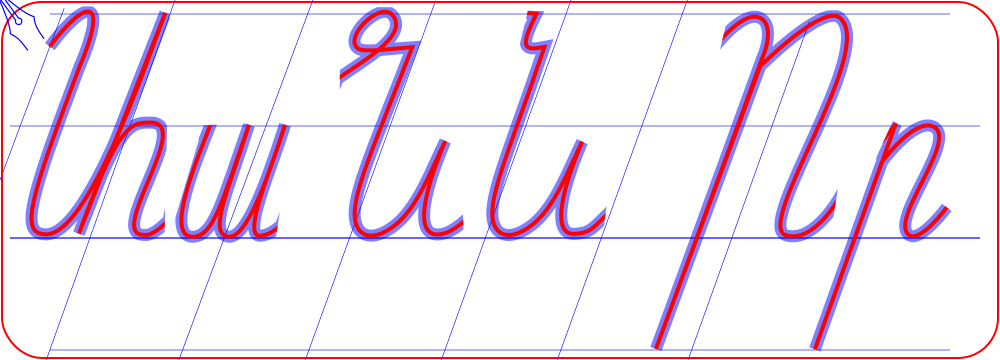
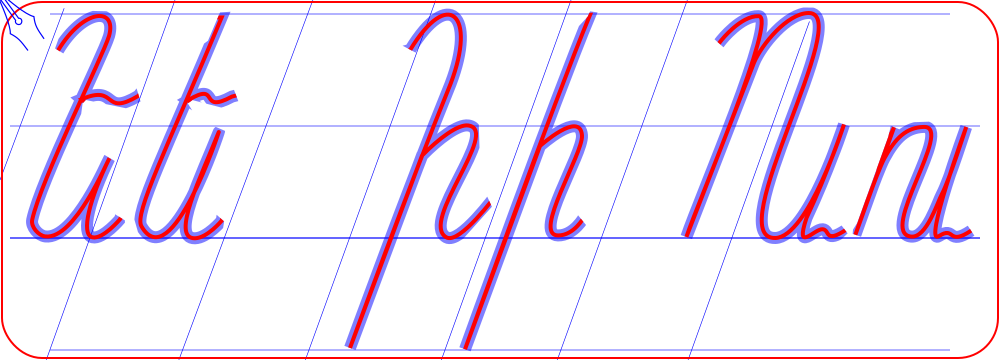
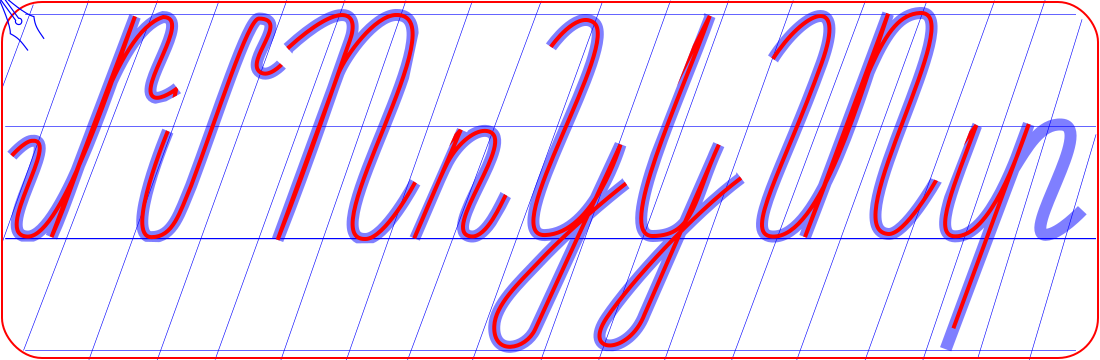
- Block 1 - The first 10 most frequent Letters անրեիումոկտ
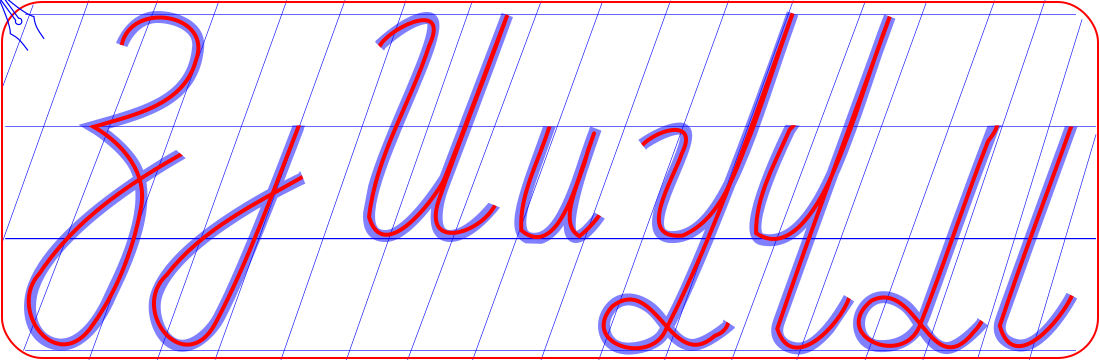
- Block 2- The next 10 most frequent letters յսվլցհթդգք
- Block 3 - Next 10 letters ըղպբծշխռէզ
- Block 4 - The rarest 9 letters չևջձփժճօֆ
Each block contains several lessons with 3-4 letters. For each letter:
- the name of the letter in transcription from Wikipedia;
- what the letter looks like in computer and printed texts;
- examples of using the letter in words - coming soon;
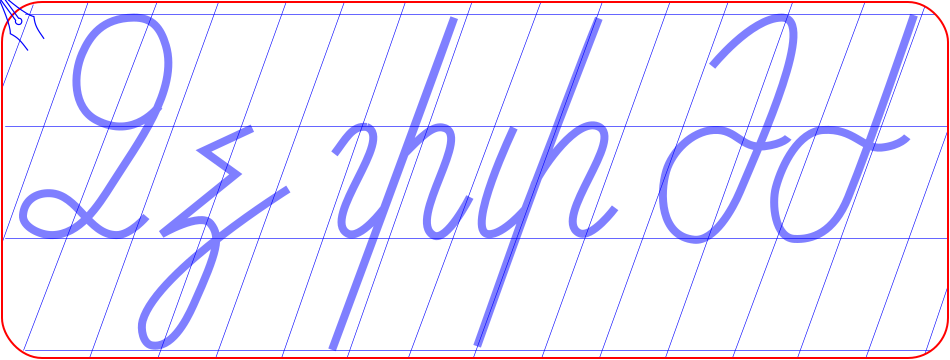
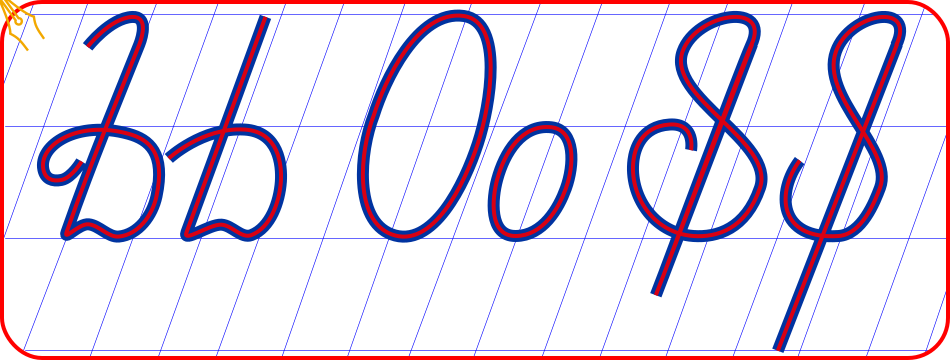
- how the hand moves when writing these letters;
-
links to PDF files that need to be printed for writing practice (copybooks).
In the future - add sound illustrations for letters.
BLOCK 1
The first 10 most frequent Letters անրեիումոկտ
You can download and print for all 10 letters and practice hand movements.
Letters Ա, Ն and Ր
Letter "ayb": uppercase - Ա, lowercase - ա. Sounds like "a" in car, far, father, ask.
Letter "nu": uppercase - Ն, lowercase - ն. Sounds like "n" in nice, next, number, nine, naughty.
Letter "rē": uppercase - Ր, lowercase - ր. So called "liquid r", like "r" in red, right, bother.
Letters Ե, Ի and Ու
Letter "yech": uppercase - Ե, lowercase - ե. The letter ե has a dual pronunciation. At the beginning of a word, it is pronounced as ye in the words yes, yet, yawn); In the middle and at the end of a word - as e in the bet, where, there. Then we learn the letter է, which sounds as e in first position.
Letter "ini": uppercase - Ի, lowercase - ի. The vowel ի coincides with the sound i in ink, sin, or ee in innk, sin, cheese, meet regardless of position and stress.
Letter "u": uppercase - Ու, lowercase - ու. The vowel ու coincides with the oo in words tool, boot, cool in any position and stress.
Letters Մ, Ո, Կ and Տ
Letter "men": uppercase - Մ, lowercase - մ. The letter մ sounds exactly like consonant "m" in mom, men, maid.
Letter "vo": uppercase - Ո, lowercase - ո. The letter ո depending on its position in the word, is pronounced either as "o" or as "vo". At the beginning of the word ո it is pronounced [vo] - vast, voice, vocal, in the middle and at the end of the word as [o] - old, low, for, pot.
Letter "ken": uppercase - Կ, lowercase - կ. The letter կ sounds like the voiceless consonant letter "k" as stock, skin, Micky, kite. The letter is never softened.
Letter "tiwn": uppercase - Տ, lowercase - տ. Like [կ], the letter [տ] is not softened and sounds like voiceless consonant letter "t" in but, stick, rotten.
BLOCK 2
The next 10 most frequent letters յսվլցհթդգք
The copybooks for all 10 letters traning are
Letters Յ, Ս, Վ and Լ
Letter "ǰe": uppercase - Յ, lowercase - յ. Letter "ǰe" is usually pronounced as [ay], [oy], [uy], [ey]‘year, buy, young, you, yes. Between two vowels - as [y]: "այո" (yes in Armenian) sounds like "ayo".
Letter "se": uppercase - Ս, lowercase - ս. The consonant se is pronounced in all positions as S in words say, sand, sing, soft.
Letter "vev": uppercase - Վ, lowercase - վ. The consonant vev coincides with the sound v in words vast, vase, Victor, vault․ Very rarely at the end of a word it is pronounced as "f".
Letter "lyun": uppercase - Լ, lowercase - լ.․ The consonant lyun always sound like L in words love, lake, lily, life .
Letters Ց, Հ, and Թ
Letter "cʼo": uppercase - Ց, lowercase - ց. The letter cʼo in all positions in the word is pronounced the same way, like ts in bits, cats, rats .
Letter "ho": uppercase - Հ, lowercase - հ. The letter [ho] is pronounced the same way, like h in words hi, hard, hello, height, hot . Say "A" with a noticeable aspiration and you get the armenian word "Հա", which in conversation means "Yes".
Letter "t'o": uppercase - Թ, lowercase - թ. The letter [t'o] is an aspirated consonant similar to the "very voiceless" sound T as in time, teach, tomorrow, tired, team words.
Letters Դ, Գ, and Ք
Letter "da": uppercase - Դ, lowercase - դ. The letter da sounds exactly like the consonant d in do, dry, dog, door, good.
Letter "gim": uppercase - Գ, lowercase - գ. The letter gim is always pronounced like the "g" in gate, grey, go, good.
Letter "kʼē": uppercase - Ք, lowercase - ք. And again the aspirated consonant kʼe is pronounced like the voiceless hard consonant "k", but with more tension and strong aspiration, that in words king, kind, kite, kill.
BLOCK 3
Next 10 letters ըղպբծշխռէզ
Download all 10 letter
Letters Ը, Ղ, Պ and Բ
Letter "ëtʼ": uppercase - Ը, lowercase - ը. The letter ëtʼ sounds like vowels a and u in about, put, but, maybe a little less expressive.
Letter "ġat": uppercase - Ղ, lowercase - ղ. The letter ġat is pronounced as Like a guttural French r in Paris, merci.
Letter "pe": uppercase - Պ, lowercase - պ. Thehe letter pe sound corresponds to the "p" in words pen, pizza, speak, copper.
Letter "ben": uppercase - Բ, lowercase - բ. The letter ben correspond to the "b" in words by, boat, buy, bar
Letters Ծ, Շ and Խ
Letter "ca": uppercase - Ծ, lowercase - ծ. The letter ca is pronounced as a soft "ts" as in words cats, rats "t" is unaspirated).
Letter "ša": uppercase - Շ, lowercase - շ. The letter ša and xe always sound like consonant “sh” in words shiny, sheep, shower, sheild.
Letter "xe": uppercase - Խ, lowercase - խ. The letters xe always sound like the “ch” ln German Bach or Spanish "j" in Jose.
Letters Ռ, Է and Զ
Letter "ṙa": uppercase - Ռ, lowercase - ռ. The letter "ṙa" is pronounced a little harder than Italian "r" in the word Roma or Spanish real and even a little more resonantly.
Letter "ē": uppercase - Է, lowercase - է. The letter "ē" anywhere is pronounced like the vowel "e" in the words egg, end, where.
Letter "za": uppercase - Զ, lowercase - զ. The letter "za" is pronounced like the consonant "z" in zebra, zoo, zest.
BLOCK 4
The rarest 9 letters չևջձփժճօֆ
Copybook for last 9
Letters Չ, և and Ջ
Letter "čʼa": uppercase - Չ, lowercase - չ. The letter "čʼa" is pronounced like the "ch" in words porch, cheese, church, chair.
Letter "yew": uppercase - Եւ, lowercase - և. The letter "yew" is ligament of "ե" and "վ". In the middle and at the end of a word It is pronounced as "ev" in Yevett, ever, and "ye" + "v" - at the beginning. "yev" has no capital counterpart, so we write a capital letter as uppercase Ե and lowercase վ.
Letter " ǰe": uppercase - Ջ, lowercase - ջ. The letter "ǰe" sounds like "j" in words job, Jack, jeans, journal.
Letters Ձ, Փ and Ժ
Letter "ja": uppercase - Ձ, lowercase - ձ. The letter "ja" sounds like the combination [dz] in the words odds, kids, hands, feds.
Letter "p'yur": uppercase - Փ, lowercase - փ. The letter "p'yur" is again "aspiration", approximately like the letter "p", but the lips are completely compressed and the sound is aspirational as in pear, pick, peer, paper.
Letter "že": uppercase - Ժ, lowercase - ժ. The letter ""že"" sounds like "s" in vision, measure, revision, pleasure.
Letters Ճ, Օ and Ֆ
Letter "če": uppercase - Ճ, lowercase - ճ. The letter "če" is a voiceless version of the letter "ǰe" and is pronounced as in words jolly, urge
Letter "ò": uppercase - Օ, lowercase - օ. The letter "ò" corresponds to the "o" in words old, voice, all, own.
Letter "fe": uppercase - Ֆ, lowercase - ֆ. And finally, the letter "fe" is just "f" (fly, file, father, life, fire).